Evaluating SaaS App Security for Business-Critical Data
Choosing the right SaaS app to store your business data is a big decision. If an app isn’t secure, your data could be stolen, lost, or accidentally deleted. A security breach could cost your business money, time, and trust. So, how can you tell if a SaaS app is safe to use? Here’s a checklist to help you decide before you commit to a new app.

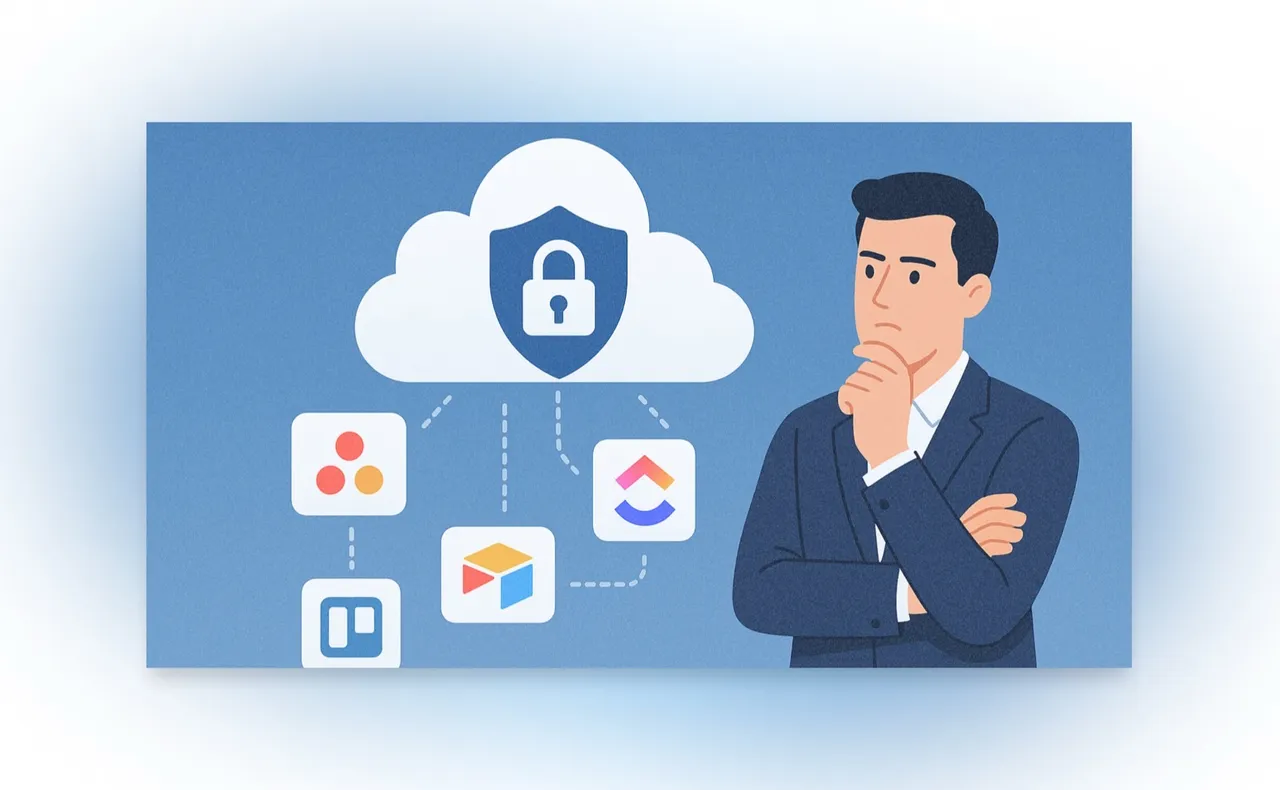
In short: Before storing business-critical data in a SaaS app, check nine things: admin-enforced two-factor authentication, past security incidents and how they were handled, uptime record and SLA, a trash bin or archive with a stated retention window, deletion alerts for admins, role-based control over who can delete, native backups you can restore from yourself, support for third-party backup services, and complete data exports.
Choosing the right SaaS app to store your business data is a big decision. If an app isn’t secure, your data could be stolen, lost, or accidentally deleted. A security breach could cost your business money, time, and trust. So, how can you tell if a SaaS app is safe to use? Here’s a checklist to help you decide before you commit to a new app.
Can the Admin Make Everyone Use Two-Factor Authentication (2FA)?
Two-Factor Authentication (2FA) adds an extra layer of protection, making it much harder for hackers to access accounts. A good SaaS app should allow admins to enforce 2FA for all users. If it’s optional, some users might skip it, leaving your business at risk.
With 2FA, even if a password gets stolen, hackers still need a second factor, like a mobile code or biometric confirmation to access an account. Apps that offer 2FA but don’t enforce it leave a major security hole. Always check if admin enforcement is available and ensure your team follows the policy.
Has the App Had Security Problems in the Past?
Before trusting an app, check if it has had any security breaches. Search online for reports of past hacks or data leaks. You can also check the company’s security page or transparency reports. If the app has had issues but handled them well and improved its security, that’s a good sign. However, if it has a history of repeated problems, you might want to look for a more secure alternative.
Look at how the company responds to incidents. Do they have a history of taking quick action, notifying users, and strengthening security? A provider that learns from past breaches and actively invests in security improvements is far better than one that tries to cover up issues or ignores them. Ask for independent assurance as well: with ProBackup you can request the SOC 2 Type II report via our trust center.
Does the App Have a Good Uptime Record?
Uptime refers to how often the app is working without outages. Frequent downtime can indicate security issues or poor infrastructure. Many SaaS apps have a status page where you can check their uptime history. If an app goes down often, it might not be reliable enough for business-critical data.
Downtime doesn’t just mean inconvenience. It could indicate underlying security issues, such as DDoS attacks or poor server management. Check the provider’s history of downtime incidents, read user reviews, and ensure they offer a service level agreement (SLA) with uptime guarantees.
Does the App Have a Trash Bin or Archive System?
People make mistakes, and sometimes important files get deleted by accident. A secure SaaS app should have a trash bin or archive feature that lets you restore deleted data. Make sure to check how long deleted data is stored before it’s permanently erased.
Some apps keep deleted data for only a few days, while others offer extended retention periods. Ideally, the app should have flexible options where admins can set retention policies to match business needs. If an app permanently deletes data with no way to recover it, you could be at risk of losing crucial information.
Does the Admin Get Alerts When Data is Deleted?
Admins should be notified when important data is deleted. A good SaaS app will send alerts when someone removes files or records, allowing you to catch accidental or unauthorized deletions before they cause problems.
These alerts should include details like who deleted the data, when it happened, and whether it can be recovered. Some apps even allow admins to review and approve deletions before they take effect. If an app lacks these features, it may be harder to track and prevent data loss.
Can You Control Who Can Delete Data?
Not every team member should have permission to delete data. A strong SaaS app will let you assign different roles and permissions so that only certain users can make changes. This prevents accidental deletions and limits the risk of internal security threats.
Role-based access control (RBAC) is essential for managing user permissions. The best apps allow detailed customization so that sensitive data is only accessible to those who need it. If an app doesn’t offer this, consider whether it’s secure enough for your business.
Does the App Have Backups or Snapshots You Can Restore From?
Even the best systems fail sometimes. A secure SaaS app should have automatic backups, snapshots, or export features that let you recover old versions of your data. If an app doesn’t offer these options, losing data could be permanent.
Find out how often backups are made, how long they are kept, where they are stored, and who can restore from them. Many vendors keep backups only for their own disaster recovery: they won't restore one deleted project for a single customer. A daily backup you control and can restore from yourself is worth more than frequent backups only the vendor can use. Where the vendor’s duty ends and yours begins is set out in the shared responsibility model.
Can the App Work with a Third-Party Backup Service?
Relying solely on the app’s internal backup system can be risky. Third-party backup services like ProBackup offer extra protection by automatically saving copies of your data. This ensures that even if the app itself fails, you still have a backup to restore your information. It is worth reading how ProBackup secures backup data before you connect an app.
Using an external backup service adds an extra layer of protection against software errors, cyberattacks and human mistakes. Check what the app's API exposes: a third-party backup can only copy what the API returns, so comments, attachments or subitems the API hides can't be backed up by anyone. If a SaaS app has no usable API, you will have to rely on manual exports, which are time-consuming and easy to forget.
Can You Export All Your Data in a Usable Format?
An export is your exit plan and your last-resort backup. Check whether an admin can export the whole workspace, not just one list or table at a time, and whether the export includes comments, attachments and the links between records, or only the main fields. CSV is fine for tables; JSON keeps nested data like subtasks and comments intact.
Run a test export before you commit: note how long it takes, whether it arrives complete, and whether you could rebuild a project from it. An export is a one-off snapshot that is outdated the next day, so for business-critical data pair it with an automated daily backup.
Conclusion
Security should be a top priority when choosing a SaaS app. By looking for these key features, you can make sure your data stays protected, backed up, and easy to recover if something goes wrong. Taking the time to evaluate security now can prevent costly problems in the future.
Before committing to any SaaS app, run through this checklist. The right app should not only meet your business needs but also provide peace of mind that your data is secure. A little research now can save you from big headaches later.